




FD: Avoiding Penalties on Premature FD Withdrawals: Key Strategies to Maximise Returns
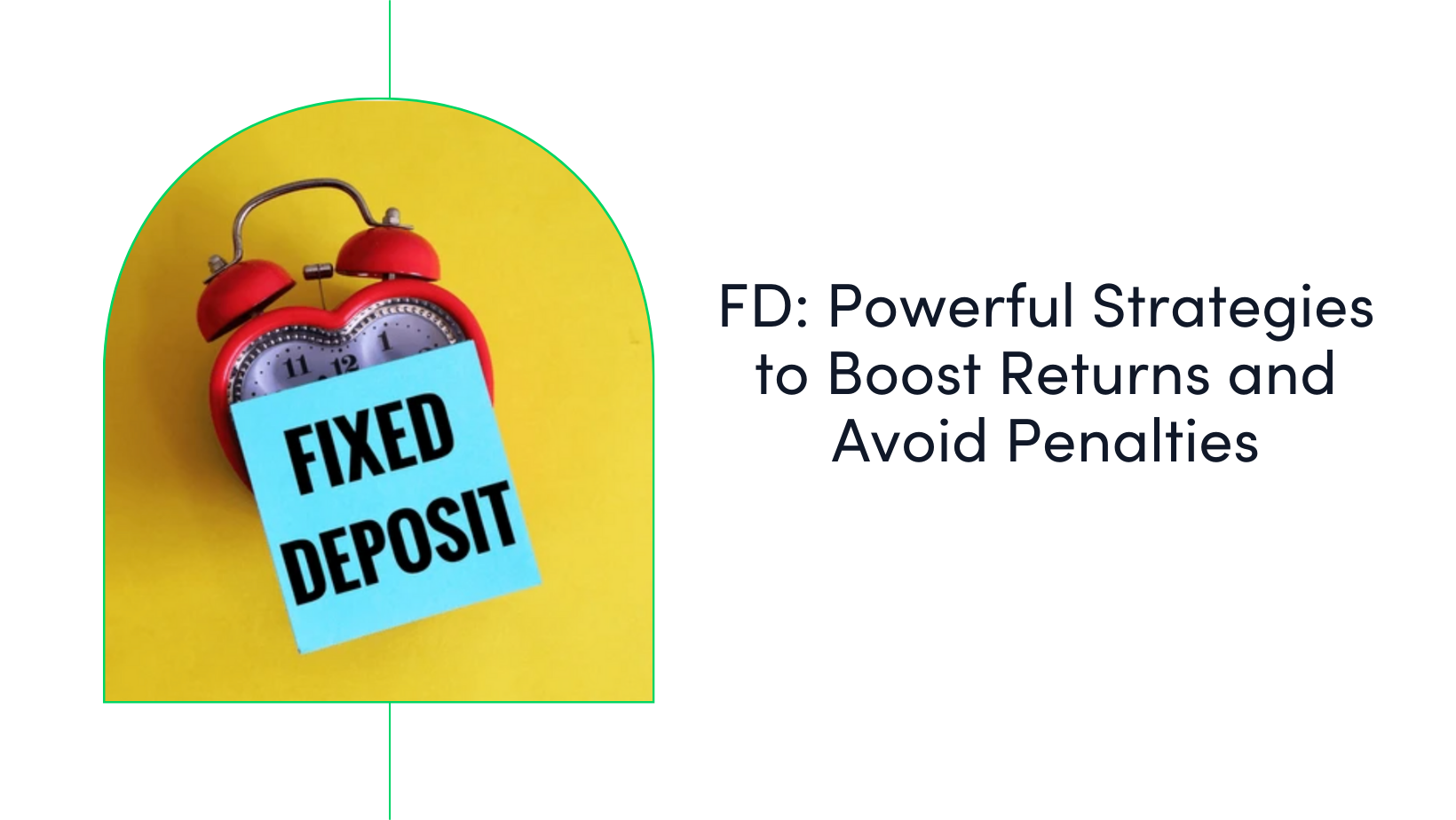
Fixed deposits (FDs) have long been a popular investment option for those looking for steady and predictable earnings. Their appeal arises from their ability to pay a guaranteed interest rate over a certain length of time, making them an appealing option for risk-averse investors. However, one of the most crucial aspects of managing an FD is understanding the ramifications of premature withdrawals. This article discusses efficient ways to minimise these fees while improving the returns on your fixed deposits.
Understanding Fixed Deposits
A fixed deposit account is a financial product offered by banks and non-banking financial firms (NBFCs) in which an investor deposits a lump sum amount for a set length of time at a fixed interest rate. Unlike savings accounts, FDs do not allow for early withdrawals without incurring penalties, which can dramatically impact predicted earnings.
Benefits of Fixed Deposits
Stable Returns
One of the primary advantages of FDs is their predictable returns. Once you’ve locked in an interest rate, it’s unaffected by market movements, assuring a steady revenue stream.
1. Capital Preservation
FDs are regarded as a safe investment option, making them excellent for cautious investors who value the security of their principal amount.
2. Flexible Tenures
FDs provide flexibility in terms of investing periods, with options ranging from a few days to several years.
3. Interest Payout Options
Investors can choose how they want to receive their interest, either in a lump payment at maturity or at regular periods, which improves cash flow management.
Despite these advantages, penalties for early withdrawal might be a major disadvantage. Understanding how these penalties work and developing tactics to avoid them can help investors retain the benefits of FDs.
Early Withdrawal Penalties
When investors withdraw funds from their FDs before the maturity date, banks usually charge a penalty. This penalty frequently results in a lower interest rate on the amount withdrawn, drastically reducing the expected returns from the FD. The penalty rate varies by institution and might be between 0.5% and 1% lower than the original interest rate.
The Impact of Penalties on Returns
Consider a ₹1,00,000 FD with a 5-year tenure and a 6% interest rate to see the consequences of premature withdrawals. If an investor withdraws the FD after two years, the penalty might lower the effective interest rate to 5%. The investor’s estimated income of ₹12,000 over two years may be reduced to ₹10,000, resulting in a considerable loss.
Understanding the penalties associated with premature withdrawals is critical for maximising profits on your FD investments.
Frequently Asked Questions
What are the key takeaways from this article?
Fixed deposits (FDs) have long been a popular investment option for those looking for steady and predictable earnings. Their appeal arises from their ability to pay a guaranteed interest rate over a certain length of time, making them an appealing option for risk-averse investors. However, one of the most crucial aspects of managing an FD is understanding the ramifications of premature withdrawals. This article discusses efficient ways to minimise these fees while improving the returns on your fixed deposits.
Who should read this article?
This article is designed for retail investors, first-time bond buyers, and anyone looking to understand fixed income investments in India.
How does this relate to my investment portfolio?
Understanding these concepts helps you make informed decisions about asset allocation and build a diversified investment portfolio.